Review: Winter Wonderland Paperscape Card SVG for Embroidery
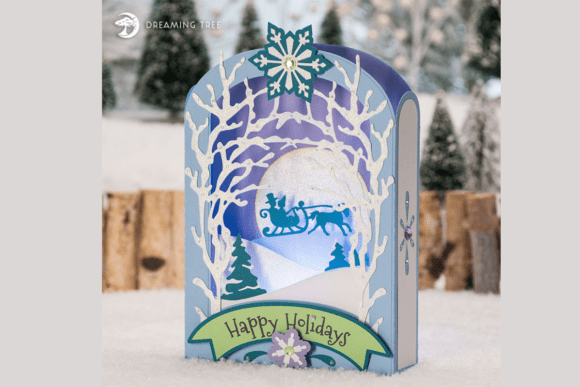
As a designer who spends more time staring at stitch maps than actual snowflakes, I approach seasonal files with a mix of excitement and skepticism. The market is flooded with generic holiday motifs, so when I encountered the Winter Wonderland Paperscape Card SVG, my first instinct was to look past the marketing promise of a "serene beauty" and evaluate its viability as a tangible embroidery project. While the product description highlights a 3D card format featuring a sleigh gliding through a winter forest, my job is to translate that digital layering into thread, fabric, and stabilizer. This review breaks down how this design performs when moved from a screen to a real-world handmade product.
First Impressions: Mood and Visual Personality
The initial visual impact of the Winter Wonderland Paperscape Card SVG is undeniably atmospheric. The layout suggests depth, relying on the illusion of layered paper cutouts to create a sense of distance. In an embroidery context, this translates to a need for careful color blocking and distinct separation between foreground and background elements. The theme is classic Winter, but the execution feels more boutique than big-box store. It avoids the cluttered look of over-detailed vector art, opting instead for cleaner shapes that define the sleigh and the forest silhouette.
For a designer, the "personality" of this file feels calm and narrative. It isn't screaming for attention with neon gradients or chaotic motion; rather, it invites a slower look. This makes it an excellent candidate for projects where the storytelling aspect is as important as the decoration. However, the reliance on layers means that if you are converting this into a machine embroidery design, you must be meticulous about how those layers stack. A flat rendition might lose the charm, while an overly dense stacking could create a bulky, uneven surface.
Real-World Application: From Digital File to Finished Product
To truly test the worth of any digital embroidery file, I imagine it on specific substrates. Let's consider a realistic scenario: a small shop owner preparing a limited run of holiday tote bags for a local craft fair. The Winter Wonderland Paperscape Card SVG would shine here, particularly on a canvas or heavy cotton tote. The structured nature of the bag supports the layered aesthetic, allowing the "sleigh gliding through a winter forest" to stand out without the fabric distorting the image.
Another strong use case is sweatshirt embroidery. Imagine a cream-colored crewneck with this design stitched in cool blues, silvers, and deep evergreens on the left chest or centered on the back. The soft texture of fleece complements the snowy theme, and the design's inherent simplicity ensures it doesn't get lost in the nap of the fabric. For Etsy sellers looking to differentiate their small shop product lines, this design offers a sophisticated alternative to the usual Santa or reindeer motifs. It appeals to customers seeking understated elegance rather than cartoonish cheer.
I also see potential in home decor, specifically pillow covers or tea towels. A linen pillow cover with this design stitched in a tonal palette (whites on whites, or light grays on cream) could serve as a stunning piece of seasonal nursery decor or a refined living room accent. The key is treating the 3D SVG concept not as a literal instruction to build a paper model, but as a guide for creating dimensional interest through thread density and color contrast.
Technical Considerations and Fabric Constraints
While the aesthetic is strong, practical application requires caution. The layered nature of the Winter Wonderland Paperscape Card SVG implies distinct zones that must be managed during digitizing or machine setup. If you are working with a small hoop size, you may need to scale the design down, which risks losing the definition of the smaller trees or the details of the sleigh. Always check the minimum recommended dimensions before committing to a custom apparel item like a cap or a baby onesie.
Fabric choice is critical. This design would struggle on highly textured fabrics like thick cable knits or loose-weave linens unless a significant amount of cut-away stabilizer is used. The fine lines defining the forest edge could sink into the texture, ruining the crisp "paper cut" look. Similarly, stretchy fabrics require a robust stabilization strategy; otherwise, the registration between the different "layers" of the scene will shift during washing, breaking the illusion of depth.
Dark fabrics present another challenge. Since the design relies on a serene, likely light-to-mid-tone palette to evoke snow and winter skies, stitching it directly onto black navy fabric might require extensive underlay or a change in the color scheme to maintain visibility. Conversely, stitching light threads on dark fabric can sometimes look striking, but you must ensure the stitch density is high enough to prevent the background fabric from peeking through the gaps in the forest layer.
Enhancing Brand Value and Customer Trust
In the world of commercial embroidery, consistency is currency. Using a cohesive design like the Winter Wonderland Paperscape Card SVG across a product line—say, matching aprons, oven mitts, and wall hangings—builds brand recognition. Customers associate that specific artistic style with your shop. When a buyer receives a personalized gift featuring such a well-composed scene, it signals professionalism. It tells them that thought went into the selection of the design assets, not just the speed of the stitching.
Furthermore, the visual appeal of this design boosts the perceived value of the finished product. A simple monogram is nice, but a scenic element adds an artistic flair that justifies a higher price point. For craft business owners, this translates to better margins. The design's ability to look good in both color and monochrome (if tested correctly) also allows for versatile marketing materials, such as printable mockups that show the design on various backgrounds without needing to stitch every single sample first.
Practical Notes for the Professional Stitcher
Before launching this design into production, there are several steps I strongly recommend. First, always test the design on scrap fabric that matches your final material. This is non-negotiable. You need to see how the thread colors interact with the specific dye of your fabric. Second, review the stitch density carefully. If the digitized version of this embroidery file is too dense in the forest areas, it could cause puckering or thread breaks. If it is too sparse, the "snow" effect will be lost.
Inspect the small details, particularly where the sleigh meets the ground or where tree branches overlap. These are high-risk areas for registration errors. It is also wise to view the design in a black-and-white mockup to ensure the contrast holds up without the distraction of color. If the layers blend together in grayscale, they will likely lack definition in real life.
Finally, confirm the licensing terms. While the description suggests a creative asset, you must verify if the Winter Wonderland Paperscape Card SVG allows for commercial use if you intend to sell finished items or digital derivatives. Never assume; always read the fine print to protect your craft business from legal issues. By taking these precautions, you ensure that the serene beauty of this design translates perfectly from a digital concept to a cherished, tangible keepsake.