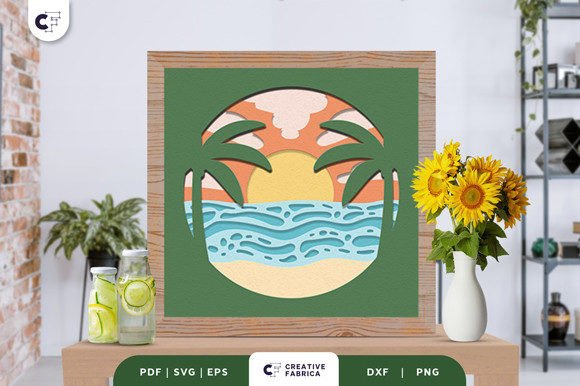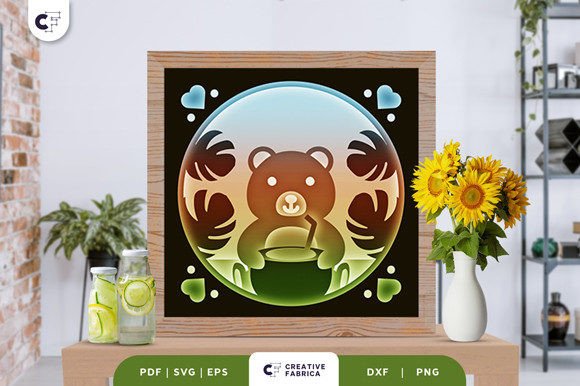
Baby Bear at the Beach 3D Paper Cut: A Summer 3D SVG for Other
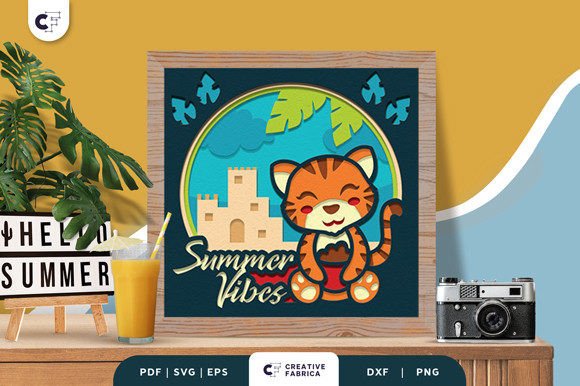
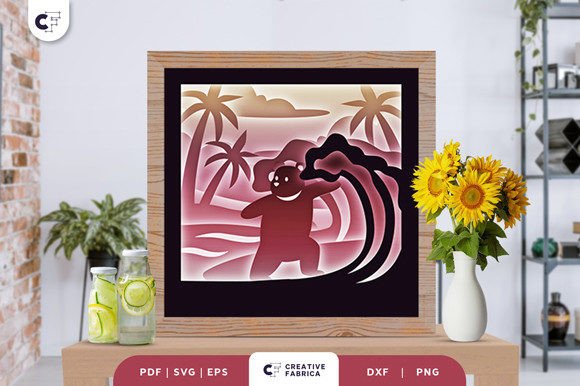
As a brand designer and content marketer, my first encounter with a new graphic design asset is always about gut reaction. Does it stop the scroll? Does it evoke the right feeling? When I opened the files for the Baby Bear at the Beach 3D Paper Cut, the immediate impression was one of whimsical nostalgia. This isn't just a cute illustration; it is a carefully constructed piece of creative design that captures the essence of summer without relying on clichés. The layered depth inherent in this 3D SVG format offers a tactile quality that flat vectors often lack, making it an excellent candidate for brands looking to add texture and warmth to their visual identity.
The mood this asset creates is undeniably cheerful yet sophisticated enough for lifestyle branding. It portrays a sense of carefree joy, perfect for businesses in the family, travel, or handmade sectors. For a small business owner launching a seasonal product line, this image does the heavy lifting of setting an emotional tone before the customer even reads the copy. It suggests that your brand values playfulness and attention to detail. Whether you are curating content for a boutique hotel, a children's clothing line, or a summer food festival, this illustration bridges the gap between casual fun and professional presentation.
Integrating Whimsy into Real-World Marketing Campaigns
To test the versatility of the Baby Bear at the Beach 3D Paper Cut, I imagined a real-world scenario: a local artisanal ice cream shop preparing for their "Summer Scoop" campaign. In this context, the asset becomes more than just decoration; it becomes a central pillar of the brand identity. For packaging design, the layered nature of the file allows for intricate die-cut labels that mimic the paper-cut style physically. Imagine a sticker on a pint container where the bear appears to be peeking out from behind a wave; this level of detail enhances product label appeal and encourages social sharing.
In the realm of social media graphics, this asset shines. For Instagram posts, the depth of the 3D SVG can be exaggerated with drop shadows to create a pop-up book effect that demands attention in a crowded feed. For Pinterest pins, which thrive on vertical, detailed imagery, this design provides ample opportunity for overlay text without losing the core message. It serves as a strong hero graphic for blog headers discussing summer activities or family travel tips. Furthermore, for digital ads on Facebook, the clear visual hierarchy ensures that the bear draws the eye first, leading naturally to the call-to-action button.
Content creators and digital sellers can also leverage this within a design bundle for Canva templates. By incorporating this bear into pre-made layouts for event flyers or party invitations, designers offer their clients a cohesive look that feels custom-made. The asset supports content marketing goals by providing a consistent visual thread across email banners, media kits, and lead magnets. It helps build audience trust because high-quality visuals signal that a brand cares about its presentation.
Strategic Placement and Visual Hierarchy
The strength of the Baby Bear at the Beach 3D Paper Cut lies in its ability to anchor a layout. It works exceptionally well as a focal point in editorial design or on landing pages where the goal is to create an immediate emotional connection. When used in web design, it can break up large blocks of text, adding a breathing room that improves readability. For small business branding, it acts as a memorable mascot that can be adapted for merchandise, such as tote bags or stickers, extending the brand's reach beyond the screen.
However, every design asset has its limits. While this bear is charming, it requires careful handling in formal corporate environments. It would feel out of place in a dense financial report or a minimalist tech startup's logo design unless the brand is specifically pivoting to a softer image. Additionally, in text-heavy ads or small mobile graphics, the intricate layers of the paper cut style might get lost if scaled down too far. It is crucial to ensure there is sufficient contrast between the asset and the background; placing it on a busy pattern could negate the 3D effect and make the design look messy rather than professional.
Designer Notes for Maximum Impact
Before deploying the Baby Bear at the Beach 3D Paper Cut in a client project or personal campaign, I recommend a few practical steps. First, test the colors against your existing brand identity palette. While the default summer tones are vibrant, see how the bear looks when recolored to match your specific brand guidelines. Second, check its performance in black and white. A true test of a graphic design asset is whether it holds its shape and recognizability without color, which is vital for faxed documents or single-color print runs.
Typography pairing is another critical consideration. This whimsical bear pairs beautifully with handwritten or script fonts that reinforce the handmade aesthetic. However, for a more modern twist, try contrasting it with a clean, geometric sans serif font to ground the playfulness. Always preview your designs on mobile screens, as the delicate layers of a 3D SVG can sometimes blur on lower-resolution displays. Finally, and most importantly, verify the commercial license. Ensure that your usage rights cover paid campaigns, client work, and merchandise production to avoid legal pitfalls down the road.
Ultimately, the Baby Bear at the Beach 3D Paper Cut is a versatile tool for storytellers. It transforms standard marketing visuals into engaging narratives that resonate with audiences seeking authenticity and joy. By understanding its strengths in professional branding and respecting its limitations, creatives can use this asset to craft campaigns that are not only seen but felt.