Retro Sailing Boat 3D Shadow Box: A Summer 3D SVG Review
As a graphic designer who spends most of my week juggling brand identities for boutique shops and seasonal campaigns for lifestyle brands, I am constantly vetting new graphic design assets. My criteria are strict: does this look generic, or does it have enough character to elevate a real client project? Recently, I pulled the Retro Sailing Boat 3D Shadow Box into my workspace to test its viability for an upcoming summer collection launch. The brief was specific: a coastal candle brand needed packaging that felt nostalgic yet modern, avoiding the overused flat vector styles seen everywhere. Upon opening the file, the first impression was one of depth and texture. This isn't just a silhouette; it is a layered composition that mimics the physical artistry of paper cutting.
Evaluating the Visual Mood and Style Direction
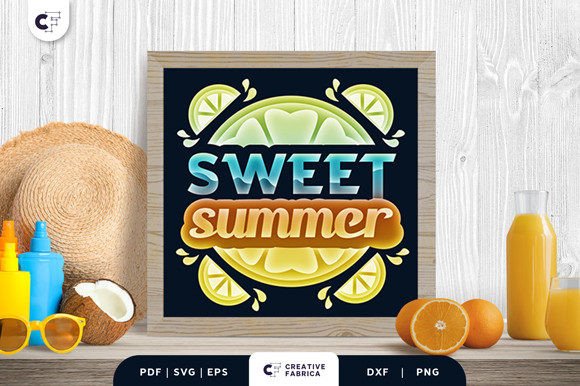
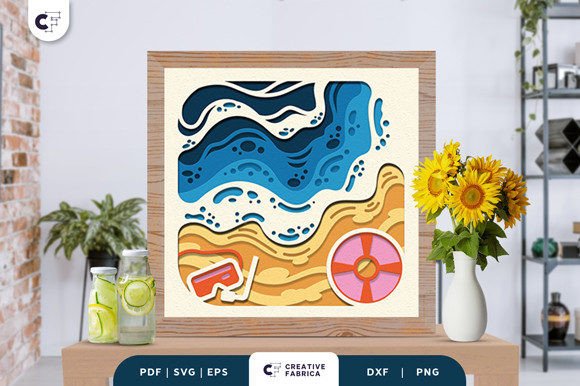
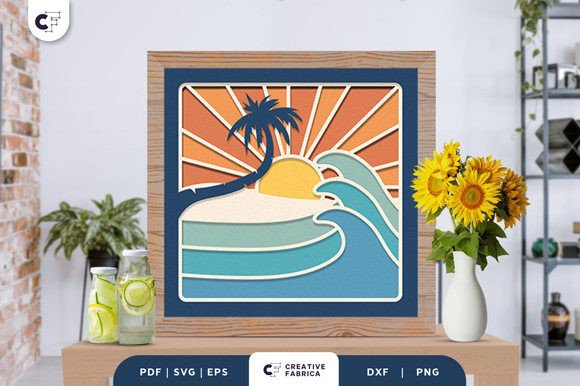
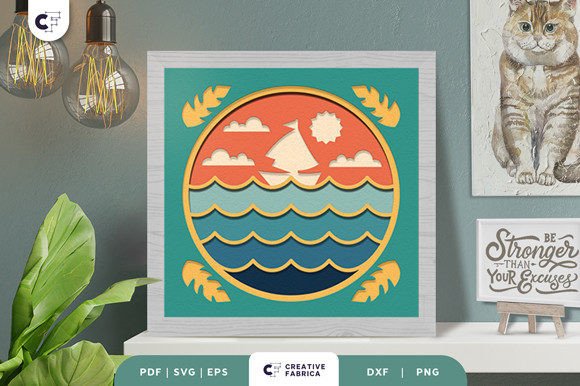
The core strength of the Retro Sailing Boat 3D Shadow Box lies in its ability to convey movement and atmosphere without needing complex gradients or photorealistic rendering. The design features a sailboat navigating gentle waves, constructed with distinct layers that create a shadow-box effect. For a designer, this means immediate visual interest. When I placed it against a cream-colored background, the layers cast subtle shadows that gave the illustration a tactile quality. It evokes a sense of leisurely summer afternoons and vintage travel posters. This specific aesthetic makes it an ideal fit for projects targeting the "slow living" demographic, handmade businesses, or any brand looking to capitalize on the nostalgia trend.
In terms of style, it bridges the gap between illustrative art and functional clipart. It feels less like a stock icon and more like a bespoke illustration. For the candle brand I mentioned, this asset immediately solved the hero graphic problem for their label. It provided a focal point that felt premium, suggesting that the product inside was equally crafted with care. If you are working on a brand identity that needs to feel approachable but polished, this asset delivers that emotional connection instantly.
Practical Applications in Real Client Work
So, where does this digital product actually shine in a production environment? I tested the Retro Sailing Boat 3D Shadow Box across several mockups to gauge its versatility. Its layered nature makes it exceptional for packaging design. Whether printed on kraft paper boxes or glossy labels, the separation of elements allows for creative printing techniques, such as spot UV on the sails or embossing on the waves. It also performs beautifully as a sublimation design for tote bags and tumblers, where the depth of the image translates well onto curved surfaces.
For digital marketers and content creators, this asset is a goldmine for social media graphics. I dropped it into a Canva template for an Instagram story promoting a beachside event, and it anchored the layout perfectly. Because it is a 3D SVG, scaling it up for a website banner or down for a Pinterest pin retained its crisp edges. It works particularly well in editorial design for travel blogs or lifestyle magazines, serving as a decorative drop cap or a section breaker. Furthermore, for those running an Etsy product line or a print-on-demand store, this file is ready to go for t-shirt designs, sticker sheets, and printable wall art. The "shadow box" style is currently trending in home decor, making this a high-potential asset for physical goods.
Strategic Placement and Layout Considerations
While the asset is versatile, a professional eye knows that not every design fits every context. The Retro Sailing Boat 3D Shadow Box thrives in large layout areas and as a hero graphic. It demands space to breathe so the viewer can appreciate the layering details. It is perfect for themed collections, campaign visuals, and as a decorative accent on minimalist packaging where it becomes the star of the show. However, caution is required when using it in crowded layouts. Because the design relies on overlapping elements to create its 3D effect, shrinking it too much or placing it over a busy, high-contrast background can cause the details to merge into a muddy mess. It is not suitable for minimalist corporate branding that requires ultra-clean, single-color logos, nor should it be used in small footer icons where the intricacy of the waves gets lost.
Impact on Brand Consistency and Visual Hierarchy
Integrating this asset into a project significantly affects the overall visual hierarchy. The depth of the boat naturally draws the eye, establishing a clear focal point. This helps guide the audience's attention before they even read the headline. In terms of brand consistency, the retro vibe sets a specific tone—warm, inviting, and slightly whimsical. If your client's brand voice is serious, industrial, or ultra-modern tech, this asset might clash. However, for brands focusing on wellness, travel, artisanal foods, or summer apparel, it enhances visual trust and recognition. It signals to the customer that the brand pays attention to aesthetics and detail.
Emotionally, the image of a sailboat on waves triggers feelings of freedom and relaxation. This emotional appeal is crucial for marketing visuals intended to drive engagement. When I tested it alongside different typography, I found it paired exceptionally well with serif fonts that echo the vintage era, as well as clean sans-serif fonts that provide a modern counterpoint. It also complements handwritten and script fonts, reinforcing the handmade, personal feel of the design.
Essential Designer Notes and Technical Checks
Before committing this design bundle to a final client deliverable, there are several practical steps I recommend. First, always test the SVG design in black and white. While the color version is charming, ensuring the silhouette holds up in monochrome is vital for versatility in printing or embroidery. Second, check the contrast on both light and dark backgrounds. The shadow effects might disappear on dark navy unless you adjust the layer colors or add a stroke. Third, preview the asset at various sizes. What looks great on a 24-inch poster might lose definition on a business card.
Technically, inspect the file structure. A good 3D SVG should have clean paths and grouped layers that are easy to manipulate in Illustrator or Inkscape. If you are using this for a Cricut project, ensure the layers are separated correctly for multi-color vinyl cutting. If a PNG version is included in the design assets, verify the transparency to avoid unwanted white halos around the waves. Finally, and most importantly, review the commercial license. As a professional, you must confirm that the commercial license covers your specific use case, whether it's for unlimited physical products or digital templates sold on a creative marketplace. Never assume; always read the terms to protect your business and your client.
In conclusion, the Retro Sailing Boat 3D Shadow Box is a robust tool for designers looking to inject summer warmth and retro charm into their work. It moves beyond simple decoration to become a functional element of modern design strategies, bridging the gap between digital files and tangible, textured experiences. With careful application and technical due diligence, it can be the defining element that turns a standard project into a memorable brand experience.