Review: House Full of Plant Shadow Box Papercut
As a designer who spends more time staring at stitch maps than most people spend watching television, I approach new files with a mix of excitement and skepticism. We all know the feeling: a thumbnail looks adorable, but once you load the digital embroidery file into your software, the reality of stitch density and underlay becomes apparent. Today, I'm taking a close look at the House Full of Plant Shadow Box Papercut. This isn't just another generic floral motif; it's a greenhouse-themed template that aims to capture a specific summer mood through a layered, paper-cut aesthetic. My goal here is to determine if this design holds up under the needle for real-world projects, from boutique apparel to handmade home decor.
First Impressions: Mood and Visual Personality
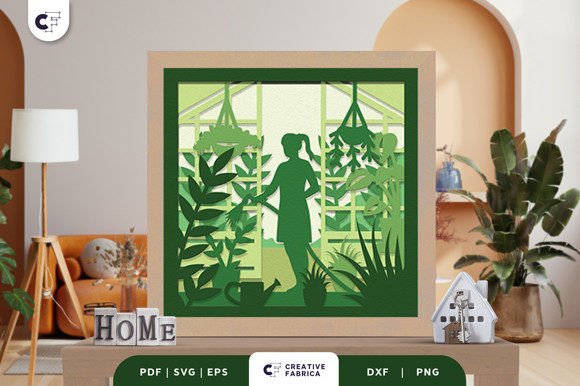
When I first opened the preview for the House Full of Plant Shadow Box Papercut, the immediate vibe was one of quiet, domestic tranquility. The scene features a girl watering plants in front of her greenhouse, a narrative element that instantly elevates it above simple decorative filler. The "shadow box" style suggests depth, which is a bold choice for a 2D medium like embroidery. In theory, this translates to distinct layering in the stitch order, potentially utilizing different thread weights or densities to create the illusion of dimension.
The layout feels balanced, avoiding the cluttered look that often plagues detailed botanical designs. For an Etsy seller or craft business owner, visual clarity is currency. A design that reads well from a distance but offers intricate details up close is the holy grail for product photography. This design seems to hit that sweet spot, offering a charming focal point that would work beautifully on a printable mockup for a shop listing before you even stitch a single thread.
Real-World Application: Where This Design Shines
Let's move beyond the screen and talk about fabric. I immediately envisioned this design on a structured tote bag design. The greenhouse theme pairs perfectly with canvas or heavy cotton, where the stability of the fabric can support the potentially dense areas of foliage. Imagine a local farmer's market vendor selling organic produce; a tote featuring this girl tending her garden tells a story of care and growth that aligns perfectly with their brand.
Another strong contender is sweatshirt embroidery. The cozy, nostalgic feel of the image fits the casual comfort of a fleece crewneck. However, execution here requires care. If you are aiming for a handmade product that feels high-end, you might consider using a satin stitch for the outline of the greenhouse frame to give it a crisp, architectural look, while employing a softer fill stitch for the leafy interiors. This contrast in texture mimics the original paper-cut inspiration while leveraging the strengths of the machine.
For those running a small shop product line focused on nursery decor, this could be adapted for a baby embroidery project. Placed on a muslin swaddle or a bib, the gentle imagery is appropriate and soothing. Just ensure the scale is reduced appropriately so it doesn't overwhelm the small garment. As a personalized gift, adding a name in a simple script below the greenhouse could transform this from a standard ornament into a cherished keepsake.
Technical Considerations and Fabric Challenges
While the artistic merit is clear, the technical execution of the House Full of Plant Shadow Box Papercut demands attention to detail. The category listing mentions Ornaments and 3D SVG, which implies a design built for layering. In embroidery, "3D" often means managing multiple stops or complex color changes. Before committing to a final finished product, you must verify the hoop size requirements. If the design relies on wide spans for the greenhouse structure, a small 4x4 hoop might necessitate splitting the design, which can ruin the seamless look of the shadow box effect.
Fabric texture plays a massive role here. On textured fabrics like linen or waffle weave, fine details like the girl's features or individual plant leaves might get lost. A smooth, tight-weave cotton or polyester blend will yield the crispest results. Conversely, if you are attempting this on a stretchy fabric like a t-shirt, the risk of distortion is high. The dense stitch areas required to create the "shadow" depth could cause puckering if the stabilizer isn't up to the task. I strongly recommend using a cut-away stabilizer for this design rather than tear-away, especially if the end user intends to wash the item frequently.
Curved surfaces present another hurdle. While a cap embroidery project might seem like a fun idea, the flat, wide nature of a greenhouse illustration does not naturally conform to the front panel of a baseball cap. Unless you are experienced in manipulating designs for curved hoops, I would advise sticking to flat surfaces like aprons, pillow covers, or kitchen towels to maintain the integrity of the lines.
Enhancing Value and Brand Consistency
For commercial embroidery projects, consistency is key. The House Full of Plant Shadow Box Papercut offers a unique visual personality that can help differentiate your brand from competitors using stock floral motifs. When customers see a cohesive theme across your products—say, this design on a tea towel, a matching patch, and a wall hanging—it builds trust and recognition.
The visual appeal of this design lies in its storytelling. It's not just a plant; it's a person caring for a space. This emotional connection increases the perceived value of the item, allowing you to price your custom apparel or home goods with more confidence. However, this only works if the stitching quality matches the design's charm. Poor thread tension or visible jumps between color blocks can cheapen the look instantly. Always inspect small details and run a test on scrap fabric that matches your final material.
Practical Notes for the Professional Maker
Before you list this as a new addition to your inventory, there are a few housekeeping items to address. First, check the thread color contrast. The description suggests a summer theme, likely involving greens and earth tones. Ensure your thread chart provides enough variation to distinguish the girl from the background foliage without the colors blending into a muddy mess. Testing the design in black and white mockups can help you gauge the contrast levels independent of hue.
Secondly, review the stitch density. Shadow box styles can sometimes be overly dense to simulate depth. If the density is too high, the fabric may become stiff and board-like, which is undesirable for wearable items like sweatshirts or baby clothes. You may need to adjust the density settings in your editing software if the license permits modifications.
Finally, and perhaps most importantly, confirm the licensing terms. The prompt mentions this is a template, but usage rights vary wildly between designers. Can you sell the physical embroidered items? Can you sell the digitized file itself? Is attribution required? Never assume. Clarifying these terms protects your craft business from legal headaches down the road.
In conclusion, the House Full of Plant Shadow Box Papercut is a promising asset for designers looking to add a touch of narrative warmth to their collections. It bridges the gap between whimsical illustration and structured design. With careful attention to stabilizer choice, fabric selection, and stitch optimization, this design has the potential to become a staple in your portfolio of design assets. It invites the maker to slow down and appreciate the process, much like the girl watering her plants, resulting in a product that feels made with intention and care.